
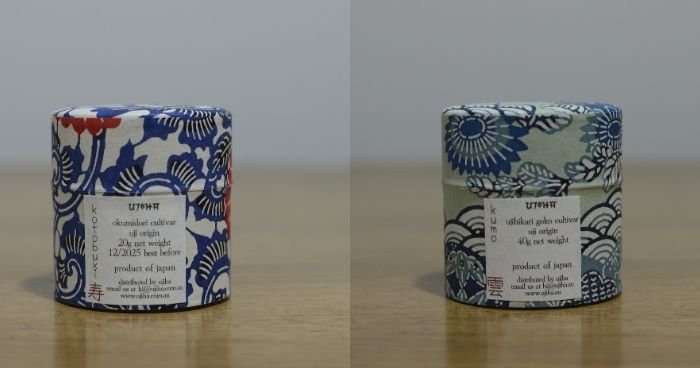
Organic matcha and non-organic matcha can both be high quality.
The real difference comes down to:
- how the tea is grown
- how long it’s shaded
- how it’s processed
👉 Not just the organic label.
The big misconception
Most people think:
👉 organic = better
👉 non-organic = bad
It’s not that simple.
Some organic matcha tastes weak.
Some non-organic matcha tastes amazing.
Why?
Because organic doesn’t control flavour – farming and processing do.
What “organic matcha” actually means
Organic matcha means:
- no synthetic pesticides
- no chemical fertilisers
- certified under strict standards
In Japan, this is often JAS organic certified.
👉 It focuses on how the tea is grown
Not how it tastes.
What “non-organic matcha” means
Non-organic matcha:
- may use fertilisers or pesticides
- often allows more control over yield
- can produce very high-grade matcha
👉 Some of the best matcha in Japan is not organic
Why organic matcha often tastes weaker
This is the part most brands don’t tell you.
Organic matcha can taste weaker because:
- nutrients are harder to control naturally
- shading may be less consistent
- yields are lower
👉 This can lead to:
- less umami
- more flat taste
- lighter body
But this is NOT always true
Good organic matcha exists.
When done properly, organic matcha can be:
- smooth
- rich
- naturally sweet
- not bitter
The difference is:
👉 the farm
👉 the process
👉 the harvest
What actually matters more than organic
If you care about taste, focus on this:
1. Harvest quality
- first harvest (best flavour)
- younger leaves = smoother taste
2. Shading process
Matcha is shaded before harvest.
More shading:
👉 more L-theanine
👉 less bitterness
👉 more umami
3. Processing
- stone-milled vs machine
- how fresh it is
- how it’s stored
👉 Learn more here:
What is matcha
So… which one should you choose?
Choose organic matcha if:
- you care about how it’s grown
- you want no synthetic inputs
- you value clean sourcing
Choose based on quality if:
- you care about taste first
- you want smooth, rich matcha
- you want the best drinking experience
👉 Ideally:
👉 organic AND high quality
The real problem
The issue isn’t organic vs non-organic.
It’s this:
👉 most people buy low-quality matcha
That’s why they get:
- bitterness
- dull colour
- weak flavour
👉 If yours tastes off, read this:
Why matcha tastes bitter
How to choose good organic matcha
Look for:
- bright green colour
- fresh smell
- smooth taste (not harsh)
- first harvest (if possible)
Avoid:
- dull or yellowish powder
- overly cheap matcha
- vague sourcing
Is organic matcha worth it?
Yes – if it’s done properly.
Not if:
- it tastes weak
- it’s poorly processed
- it sacrifices flavour
👉 Full breakdown:
Is organic matcha worth it
Final truth
Organic doesn’t guarantee quality.
Non-organic doesn’t mean bad.
👉 What matters most:
- quality of leaves
- how it’s made
- how it tastes
Want organic matcha that actually tastes good?
Most organic matcha is weak.
But when it’s done right:
👉 it’s smooth
👉 rich
👉 not bitter
If you want that:
Not hype. Just real matcha.