
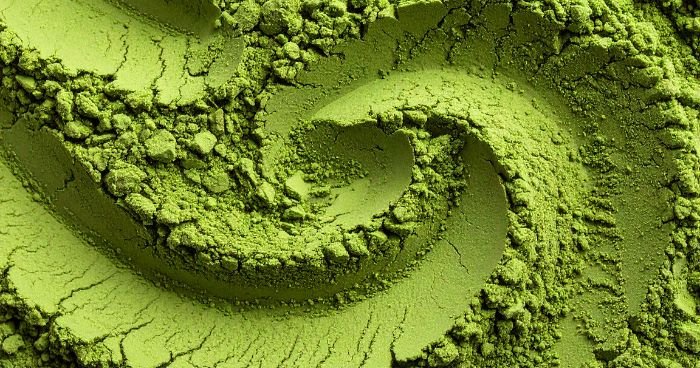
Matcha is green tea from Japan.
But it is not like normal tea.
Most tea uses leaves in hot water.
The leaves stay in the cup.
Matcha is different.
Matcha is tea leaves ground into a fine powder.
You mix the powder with hot water and drink it.
So when you drink matcha, you drink the whole leaf.
That is what makes matcha special.
Where Does Matcha Come From?
Matcha comes from Japan.
One of the most famous places for matcha is Uji.
Uji is a tea region near Kyoto.
Tea farmers there have been growing matcha for hundreds of years.
Many of the world’s best matcha farms are still in this region today.
If you want to understand why this region is so famous, you can read our guide about why matcha is so expensive.
How Matcha Is Made
Matcha takes a lot of work to make.
First, the tea plants grow in the field.
But before harvest, farmers cover the plants with shade.
This blocks sunlight.
When the plant gets less sunlight, the leaves produce more:
- chlorophyll
- amino acids
This makes matcha:
- brighter green
- smoother tasting
- rich in umami
After harvest, the leaves are dried.
These dried leaves are called tencha.
Then the leaves are slowly ground into powder using stone mills.
This powder becomes matcha.
Learn How To Make Matcha.
Why Matcha Is Different From Normal Tea
When you drink normal tea, you only drink the water.
The leaves stay behind.
But matcha is powdered.
So you drink the entire leaf.
That means matcha contains more:
- nutrients
- antioxidants
- natural compounds from the tea plant
If you’re curious about the health side of matcha, learn more in our guide on matcha benefits.
What Matcha Tastes Like
Good matcha has a very unique taste.
It should taste:
- smooth
- creamy
- slightly sweet
- rich in umami
Bad matcha can taste bitter or dull.
High quality matcha is usually:
- vibrant green
- finely milled
- smooth when whisked
If you want to learn how quality affects taste, read our guide on ceremonial vs culinary matcha.
How People Make Matcha
The traditional way to prepare matcha is simple.
You add matcha powder to a bowl.
Then you add hot water.
Then you whisk the tea using a bamboo whisk.
After whisking, a soft foam forms on top.
This foam helps create a smoother texture.
Matcha can be prepared using warm water in the traditional way, but many people also enjoy it cold.
If you’re wondering whether cold matcha still provides the same nutrients, read our guide on hot vs cold matcha and whether you still get the benefits.
If you want to try making it yourself, see our step-by-step guide on how to make matcha.
Matcha vs Coffee
Many people drink matcha instead of coffee.
Both drinks have caffeine.
But they feel different.
Coffee energy can feel fast and strong.
Matcha energy often feels smoother and calmer.
This is because matcha also contains something called L-theanine.
You can read more about this in our article comparing matcha vs coffee.
Why Matcha Is So Green
One thing people notice right away is the color.
Good matcha is bright green.
This color comes from the shade growing process.
Because the plants grow in the shade, they produce more chlorophyll.
Chlorophyll is what gives matcha its vibrant green color.
If you want to learn more, see our article explaining why matcha is green.
Does Matcha Have Caffeine?
Yes.
Matcha does contain caffeine.
But the caffeine feels different than coffee.
Many people say the energy feels more balanced.
That is because matcha also contains L-theanine, which helps promote calm focus.
If you want to know the exact caffeine details, read our guide on does matcha have caffeine.
Matcha as a Daily Ritual
For many people, matcha is more than just a drink.
It is a daily ritual.
You slow down.
You prepare the bowl.
You whisk the tea.
You watch the foam appear.
This quiet moment is part of what makes matcha special.
Matcha has been part of Japanese tea culture for centuries.
Not All Matcha Is the Same
There are many types of matcha.
Some matcha is used for:
- baking
- smoothies
- desserts
Other matcha is meant for drinking.
The highest quality is often called ceremonial matcha.
This type of matcha is made from the youngest tea leaves.
It should taste smooth and balanced.
If you want help choosing good matcha, you can read our guide to the best matcha powder.
Try Authentic Matcha From Uji
Uji is one of the most famous matcha regions in Japan.
At Ujiha, we bring small batches of matcha from a partner farm in Uji.
Our matcha is:
- stone-milled in Japan
- vibrant green
- imported fresh in small batches
You can explore our matcha here:
Matcha FAQ
Is matcha just green tea?
Yes.
Matcha is a type of green tea.
But instead of steeping leaves, the leaves are ground into powder.
When you drink matcha, you drink the whole leaf.
Why is matcha so green?
Matcha plants grow in the shade before harvest.
Because of this, the leaves produce more chlorophyll.
Chlorophyll makes matcha bright green.
Does matcha have caffeine?
Yes.
Matcha has caffeine.
But the energy feels smoother than coffee.
This is because matcha also contains L-theanine.
Is matcha healthy?
Matcha contains antioxidants and natural plant compounds.
Many people drink matcha as part of a healthy lifestyle.
How do you make matcha?
Add matcha powder to a bowl.
Add hot water.
Then whisk it until foam forms on top.
Why is matcha expensive?
Matcha takes a lot of work to make.
The plants are shade grown.
The leaves are hand processed.
Then they are slowly ground using stone mills.